The Guardrail Problem: How AI Defaults Can Increase Stress
Understanding the Limits of Automated Safety Logic in Emotional ConversationsArtificial intelligence systems that operate in emotional or supportive contexts are built with strict safety guardrails. These guardrails are sets of programmed rules designed to reduce harm, limit misuse, and manage legal risk for the platform that operates the system.
In theory, these safeguards exist to protect users. When emotional distress appears in a conversation, the system can shift tone, offer crisis resources, or direct a user toward professional help.
While these mechanisms are well-intentioned, they are not equivalent to human judgment. Guardrails operate through automated logic rather than interpretation of emotional context. When children or adolescents interact with these systems during emotional conversations, the automated responses may produce unintended outcomes.
Understanding how these guardrails function helps parents recognize both the benefits and the limitations of AI based emotional support tools.

What Are AI Safety Guardrails?
AI systems designed for emotionally sensitive conversations rely on programmed thresholds. These thresholds monitor incoming text for specific language patterns associated with distress or crisis.
When certain words or phrases appear, the system may activate a predefined response. These responses often include suggestions to contact emergency services, presentation of crisis hotline information, or sudden shifts toward highly cautious language.
In some situations, the system may also refuse to continue discussing the topic. The conversation may be redirected toward general advice or terminated entirely.
These responses are not clinical decisions. They are automated safeguards triggered by pattern recognition. The goal of the guardrail is to minimize potential harm and reduce liability exposure for the organization operating the system.
Guardrails are therefore designed around risk management rather than emotional interpretation.
When Safety Systems Escalate Without Context
Children and adolescents frequently express distress through exaggerated or ambiguous language, which often requires adults to interpret emotional nuance that AI systems cannot reliably detect. Emotional frustration may appear in statements that sound extreme, even when the underlying situation is temporary.
A child might say, “I can’t handle this anymore,” after a difficult day at school. Another may say “I feel like disappearing” when feeling socially rejected or embarrassed. Adolescents often use dramatic language during moments of stress without intending literal meaning.
Human professionals learn to interpret these expressions within context. A clinician considers tone, behavioral history, duration of symptoms, and whether the statement aligns with the child’s emotional presentation.
AI systems cannot evaluate these variables. They respond primarily to recognizable phrase patterns.
When certain words appear, automated safety logic may escalate the conversation toward crisis resources or urgent warnings. This escalation can occur even when the emotional situation does not reflect immediate danger.
For some children, this shift can feel confusing or alarming. Instead of receiving a reflective conversation, the interaction may suddenly move into crisis messaging that feels disproportionate to the moment.
Why AI Guardrails Sometimes Increase Frustration
Human communication evolves through relationships and familiarity. A therapist who works with a child over time develops an understanding of that child’s language patterns and emotional style.
Some children express frustration dramatically but recover quickly. Others communicate distress quietly and require careful attention to subtle changes in behavior. Clinicians adapt their responses as they learn the individual patterns of the person in front of them.
AI systems do not maintain this type of relational awareness. Guardrail thresholds remain consistent across users and across conversations.
When specific phrases appear, the system applies the same automated response regardless of context. Over time, this rigidity can produce repetitive messaging. Crisis language may appear frequently even when emotional nuance would call for a calmer response.
Children may begin to experience these responses as mechanical. When the conversation feels scripted rather than responsive, frustration can increase rather than decrease.
Why Context Matters in Conversations
The architecture of many AI safety systems is shaped by liability concerns. Technology platforms must reduce the risk that their tools will be perceived as providing medical or psychological care.
To manage this risk, systems often default toward conservative responses. They may avoid exploring emotionally complex topics in depth. When uncertainty appears, the system may escalate quickly toward crisis resources or disengage from the topic altogether.
These responses protect the organization operating the technology. They demonstrate that the system attempted to direct the user toward external support rather than assuming responsibility for emotional guidance.
While this approach is understandable from a safety perspective, it does not necessarily align with the emotional needs of a child in the moment. Clinical judgment balances caution with attentiveness. Algorithmic guardrails prioritize risk avoidance above all else.
Why AI Responses Can Feel Confusing to Children
Another effect of automated safety systems is repetition. AI responses often follow predictable conversational patterns. Similar validating phrases may appear across multiple interactions.
Children and adolescents who use these systems regularly may begin to notice the structure of the responses. Phrases of reassurance may repeat with only minor variations. Emotional validation may appear formulaic rather than adaptive.
Over time, this repetition can create emotional fatigue. When supportive language feels scripted, the interaction may lose the sense of authenticity that makes human conversations meaningful.
Human professionals adjust tone, pacing, and emotional emphasis based on the person they are speaking with. AI systems adjust based on statistical probability.
The difference becomes more visible through repeated use.
Helping Your Kids Understand AI Boundaries
Many parents assume that safety guardrails make AI tools inherently safer than human interaction. The presence of automated crisis responses can create the impression that the system is carefully monitoring emotional risk.
In reality, automated safeguards are blunt instruments. They detect obvious language patterns but cannot interpret subtle emotional changes or behavioral context.
Over-escalation can increase anxiety when crisis messaging appears unexpectedly. Under escalation may miss situations where distress is expressed indirectly.
Neither outcome reflects malicious design. Both reflect structural limitations within automated systems that rely on pattern recognition rather than human understanding.
Parents who understand these limitations can guide children toward appropriate use of these technologies while maintaining realistic expectations.
Why Human Judgment Still Matters
Safety guardrails are necessary in digital systems. They help reduce misuse and provide access to crisis resources when concerning language appears. In many situations, they serve an important protective function.
However, automated safety logic does not replace human judgment. Guardrails do not adapt fluidly to personality, developmental stage, or relational history.
Artificial intelligence can assist with reflection and provide general emotional guidance. It cannot assume responsibility for evaluating emotional risk or managing a child’s well-being.
When emotional safety becomes a concern, human observation, professional care, and supportive relationships remain essential.
Understanding the Systems Behind the Screen
Artificial intelligence systems often rely on automated safeguards, filters, and default responses designed to prevent misuse. While these guardrails can serve important safety purposes, they can also cause confusion when young users do not understand why a system refuses to answer a question or suddenly changes direction.
For children and teenagers, these interactions may feel unpredictable or frustrating without the context to explain how these systems work. What looks like a conversation partner is still a programmed tool operating within rules and limitations.
Parents, caregivers, and educators can help young people understand these moments by explaining that AI systems follow built-in rules rather than human judgment. When children learn how these digital guardrails function, confusion often becomes curiosity, and frustration becomes an opportunity to better understand the technology shaping their world.
Parent Resource
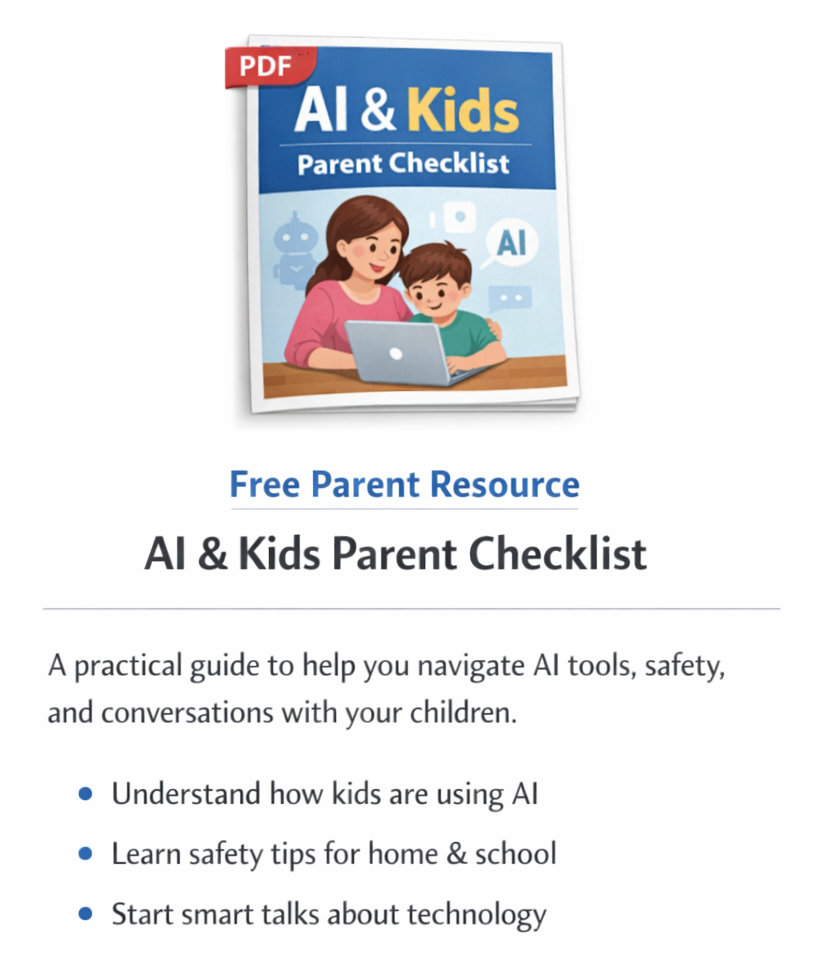
Parents looking for practical guidance can download the AI and Kids Parent Checklist, a short guide outlining simple steps for navigating AI tools, conversations, and digital environments with children.
You can find the free checklist in the sidebar on this page.
About This Resource
This article is part of the AI and Kids Resource Series, created by Your Enduring Purpose (YEP) to help families understand emerging technology and its impact on children. These resources are designed to support thoughtful conversations between parents, educators, and caregivers as technology continues to evolve.
Explore more resources in the AI and Kids Resource Center to continue learning about healthy technology use, emotional development, and digital awareness for families.
Guardrails Are Automated Rules
AI systems use programmed thresholds to detect language associated with distress.Escalation Can Happen Without Context
Children may use dramatic language that triggers crisis responses even when no emergency exists.AI Cannot Read Emotional Nuance
Guardrails respond to words rather than tone, behavior, or emotional history.Safety Systems Are Designed Around Liability
Platforms prioritize risk management rather than emotional interpretation.Repetitive Responses Can Feel Mechanical
Scripted reassurance may reduce the sense of authentic conversation.Human Judgment Remains Essential
Parents and professionals must interpret emotional signals that AI cannot.