
February 9, 2026
Staff Writer
I recently watched a short video that stayed with me longer than I expected. Not because it was dramatic or emotionally manipulative, but because it revealed something quietly uncomfortable about how we value people.
In the video, a woman approaches a man selling eggs on the street. His price is modest. Fifty cents per egg. She asks how much for six. He answers honestly. Three dollars. She scoffs and offers him two instead. When he hesitates, she presses harder. He eventually relents, explaining that he needs the sale to survive. The exchange is transactional, but it is also lopsided. One person holds all the leverage. The other holds only necessity.
The video then cuts to the same woman later that evening, out to dinner with friends. The table is full. The bill approaches two hundred dollars. Much of the food remains untouched. No negotiation. No hesitation. No concern over value.
The narrator pauses on that contrast and asks a simple question. Why are people often willing to pay a premium for things they do not need, yet fight relentlessly to pay less to those who need it most?
The story closes with a father explaining this idea to his son. He describes moments when he intentionally pays more than asked when buying from someone struggling. Not out of pity. Not for recognition. But because doing so preserves the seller’s dignity. The man still makes a sale. He still provides something of value. He is not reduced to a handout. The father calls it charity wrapped in dignity.
That phrase matters.
Charity, when stripped of dignity, becomes something else entirely. It becomes condescension. It becomes power disguised as generosity. It places one person above another, not because of abundance, but because of control. Dignity restores balance. It says, “You are not beneath me. You are simply human, and so am I.”
There is a quiet cruelty in negotiating someone’s survival while spending freely on excess. It is not always intentional, and it is rarely examined. We have been conditioned to hunt for deals, to extract maximum value, to feel clever for paying less. But wisdom asks a different question. Not “What can I get away with?” but “What is this worth in context?”
For someone selling eggs on the street, the value is not only in the eggs. It is in the effort. The risk. The vulnerability of standing there and asking strangers to see them. Paying fairly, or even generously, does not diminish us. It reveals us.
Charity wrapped in dignity does not announce itself. It does not need to be filmed or shared. It happens quietly in small decisions that no one applauds. Rounding up instead of down. Paying full price without asking for a discount. Letting someone keep their pride intact.
This kind of charity is not about guilt. It is about alignment. It recognizes that generosity should never require another person to feel small in order for us to feel good.
Most of us will never face the desperationof selling eggs on the street. But all of us will, at some point, depend on the grace of others. When that moment comes, dignity will matter far more than charity alone.
The question is whether we practice it now, when the cost is small and the choice is ours.
Editorial Note
This article is part of Your Enduring Purpose, a space dedicated to exploring resilience, dignity, and meaning in everyday life. We share these reflections to encourage thoughtful living rooted in responsibility, compassion, and long-term purpose.
Share
Recent Posts
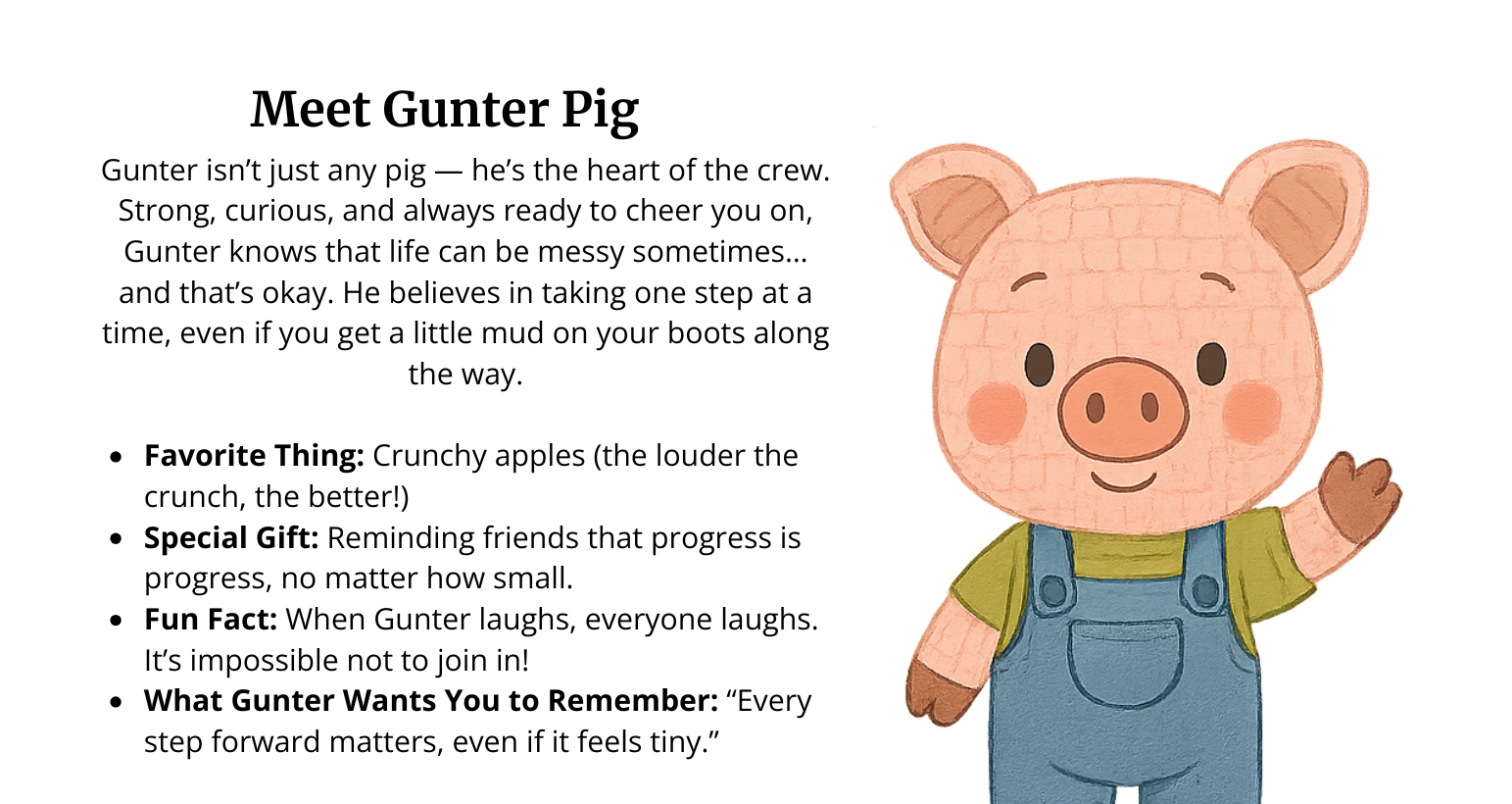
Camp Daily Wins Character Profile – Gunter Pig
March 26, 2026
Home → Camp Daily Wins → Gunter Pig → Profile When your child struggles to believe in themselves, Gunter Pig helps them see...
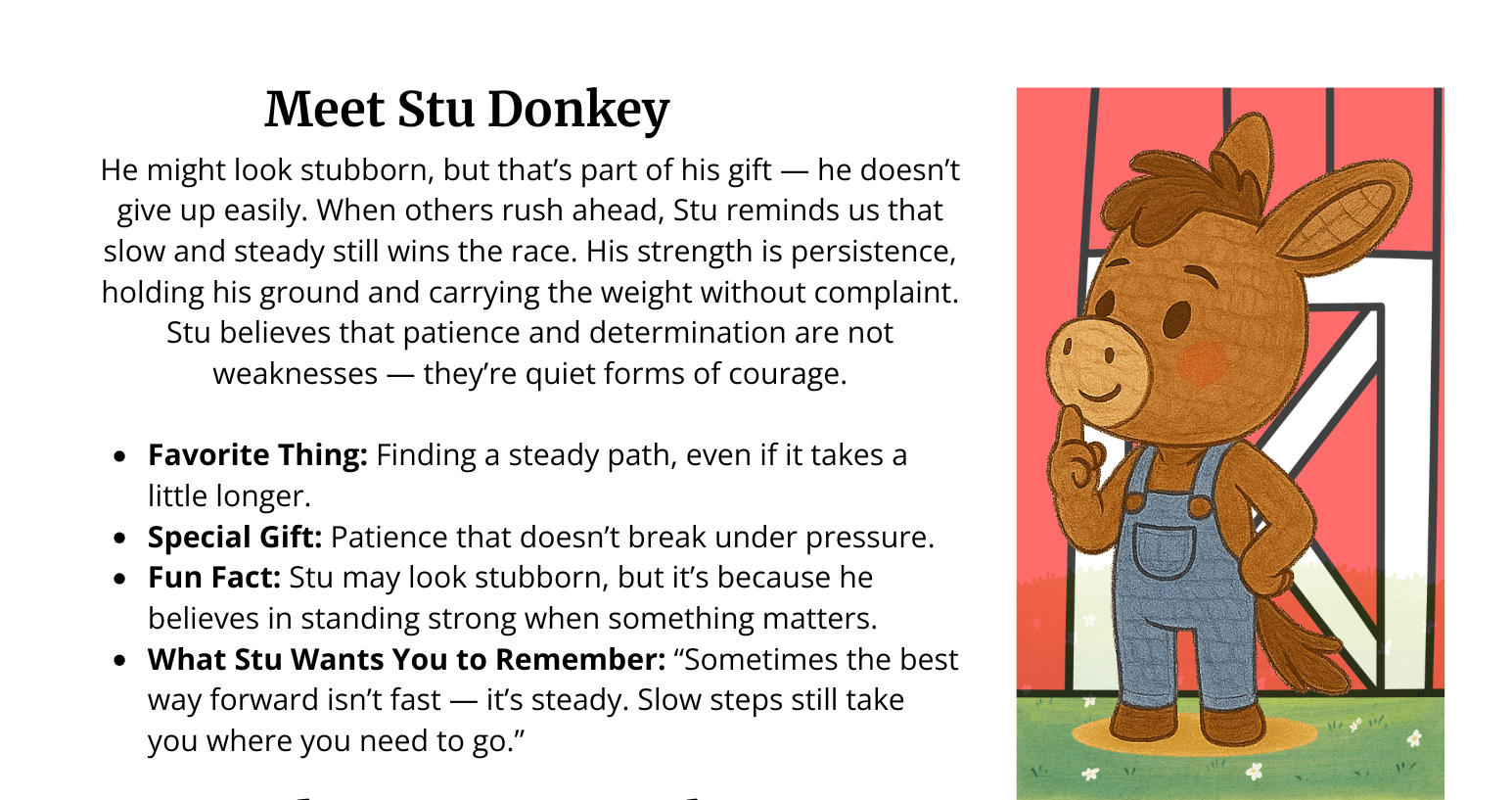
Camp Daily Wins Character Profile – Stu Donkey
March 26, 2026
Home → Camp Daily Wins → Stu Donkey → Profile When your child wants to give up, Stu Donkey helps them learn how...
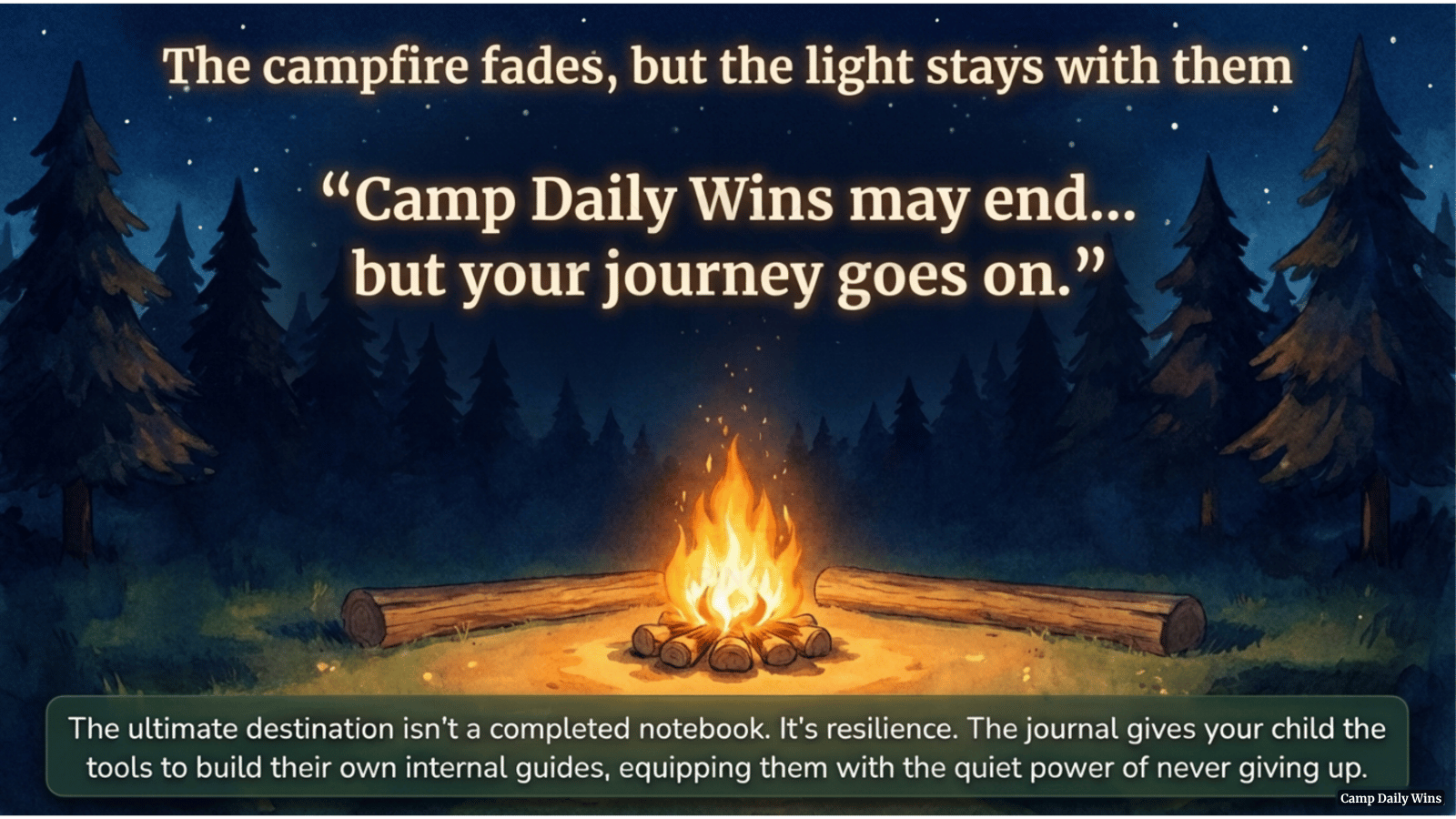
The Journey Doesn’t End When the Pages Do
March 24, 2026
Home → Camp Daily Wins → What Happens Nest? → Journey Doesn’t End Camp Daily Wins isn’t about finishing a journal. It’s about...